
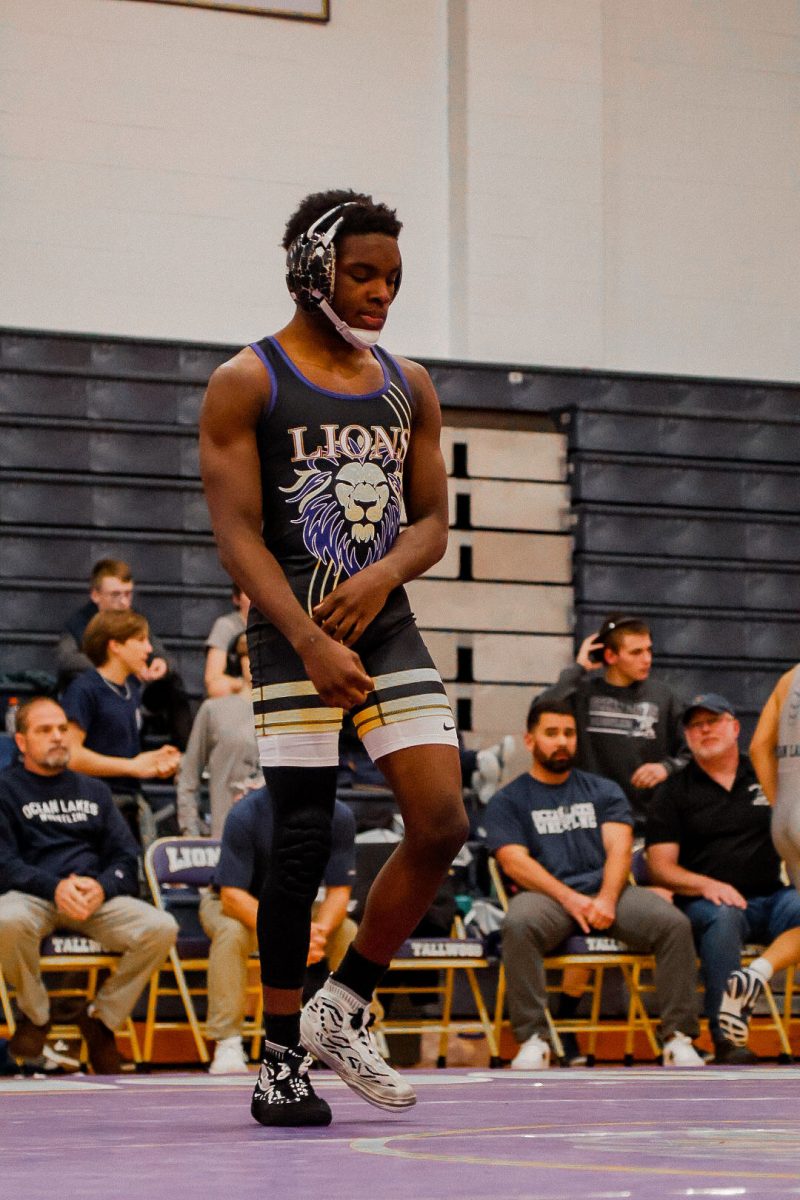
Playing sports can have tremendous drawbacks. Just imagine you’re in front of a crowd of twenty thousand people playing the sport that you love with lights shining on you in the biggest moments. Despite that not being the scale for high school sports, there can still be a good amount of people at high school sporting events with a lot of pressure on the athletes during practices and games. At first it may seem like a way to have fun or even to get into shape; however, there are some downsides. Every mistake is noticed and many athletes can relate to the pressure from crowds, teammates, coaches, and expectations set for them.
Research supports how physically demanding it is for these players to achieve this and shows that travel distance and direction of travel significantly impact player performance. Based on their research, they concluded that every additional 310 miles travelled reduces winning probability by roughly four percent. Having to travel disrupts sleep patterns and being able to recover and directly influences physical performance and fatigue. Across an 82-game season, the effect only increases because of the long flights and travelling between time zones. Picture an athlete leaving a game in Los Angeles, late at night at around 10:30 P.M., and arriving in Chicago hours later. Not only are they going forward in time, but also the body wants rest. Muscles are still sore from the game that they just played in and then they step onto the court again and social media expects them to perform at an elite level. Most people cannot sustain this for a week let alone multiple months. Furthermore, physical exhaustion creates more than temporary soreness. There’s research that examined NBA schedule congestion and found that packed schedules and back-to-back games negatively affect performance while increasing the risk of strain and injury. Physical fatigue and mental stress are deeply connected. Imagine trying to maintain your emotions while constantly exhausted. For NBA players, the pressure put onto them extends far beyond basketball.
Social media has changed the way athletes play basketball drastically. Every missed shot can become a viral clip, especially if it’s an air ball. Every bad game players have can be used as fuel to criticize them and push the agenda that they aren’t good. This criticism is seen by millions of people online and continued to be egged on by others who agree with the original comment. Jackie MacMullan explained in an article involving NBA players Kevin Love and Demar Derozan on how the NBA and social media affect mental health among the players. Due to some players going through mental health struggles, they were suspended by the league for using substances that went against the league’s policy. For years, there has been a stigma around athletes and expressing their emotional struggles. Sports culture has encouraged silence and admitting struggles can be seen as a weakness or flaw. However, that expectation created an unhealthy culture. Athletes are treated like superheroes rather than normal people with regular lives. Fans often forget that underneath the jerseys and stats that these athletes are just like us and experience fear, stress, and personal difficulties. Kevin Love challenged this culture when he publicly discussed experiencing a panic attack during a game. In Kevin Love’s “Everyone Is Going Through Something,” Love described years of believing he needed to silence his emotions because of the expectations of surrounding masculinity. He explained how basketball culture encouraged players to act strong regardless of what they were struggling with. In this case, imagine standing in an arena with thousands of fans watching you play but being unable to breathe. Cameras watching while panic spreads through your body. Then imagine feeling the pressure to hide these feelings because others might perceive it as weak. Love’s story helped transform how many people would view mental health in sports. The NBA has made progress by expanding mental health resources and encouraging conversations around emotional wellness. Kevin Love and Demar Derozan helped remove some of the stigma surrounding mental health discussions. However, progress does not mean problems have disappeared. Expectations surrounding players remain enormous. Fans demand availability for games they attend, elite performances, and emotional toughness. The media often focuses on stats and highlights instead of players’ health.
The issue is more than just basketball. The NBA serves as a reflection about success and work ethic. Many people push themselves to their limits while hiding stress. Students, employees, and athletes often convince themselves that asking for help is forbidden and will not do it. This is the same in the NBA, just under brighter lights and bigger buildings. The lights will still shine, fans will still cheer, and the cameras will continue to follow player movement. The NBA creates unforgettable moments, but it also places demands on the people who create them. Recognizing those challenges is not making excuses but acknowledging that NBA stars are human.