
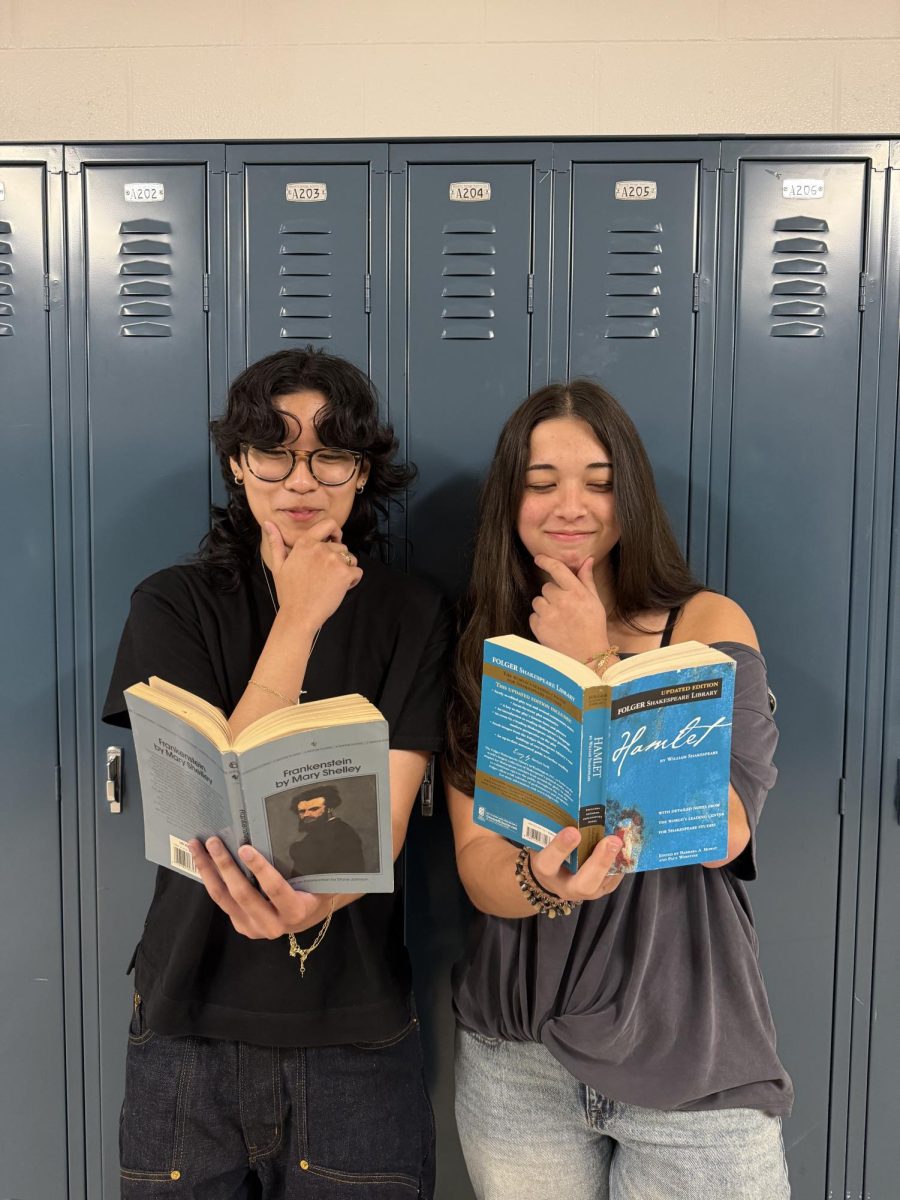
Have you seen 10 Things I Hate About You or listened to “Love Story” by Taylor Swift? Have you heard of Frankenstein or West Side Story? If you answered yes to any of these, then classic literature has already influenced your life whether you realized it or not! Movies, songs, and even Met Gala themes have been based on or inspired by the works of authors from long ago. While some wonder if these works are losing their relevance in the modern world, it is becoming increasingly obvious that now more than ever, they are influencing our lives and pop culture.
Positive Influences
Classic literature can be seen in almost every part of our everyday lives, including film and TV, visual arts, music, fashion, education, and literature. While many of these factors are different, they each were and continue to be influenced by classic literature. They are influenced by using different concepts of classic literature, such as themes and universality, character development, narrative techniques, literary allusions, language and style, archetypal plots, and cultural and historical context.
The artistic representations of classic literature, like film and television, visual arts, music, and fashion, allow for us to see with our own eyes what the author was trying to say. For film and television, there have been many modern rewritings and adaptations that show the original works in a relevant, eye-catching way. These films and television that are inspired by classic literature makes them accessible to new generations of viewers, keeping classic stories alive in mass culture. For example, William Shakespeare’s Romeo and Juliet has been adapted into a movie several times with some even being reimagined to fit modern times. There have also been other movies that were based on the concept of Romeo and Juliet, like West Side Story.
Furthermore, visual arts have also been influenced by classic literature. From sculptures to paintings, themes have been shown visually through these arts. In the article, The Influence of Literature, it states, “The myths told by Homer and Virgil provided inspiration for famous paintings such as Botticelli’s The Birth of Venus or Titian’s The Rape of Europa.” Many other pieces of art have been inspired by these stories told by classic authors. Similar to films and television, these works of art are able to show these ideas from classic literature into visual masterpieces.
In contrast, music expresses classic literature through sound and references. Similar to visual arts, music uses the themes of classic literature for the foundation for musical works, symphonies, ballets, and songs. One way this is done is by using a classic novel as an inspiration for a musical piece. This is shown in Franz Liszt’s Dante Symphony, which was inspired by Dante Alighieri’s Divine Comedy. Not only are the musical elements influenced by classic literature, but even lyrics are inspired by classical works too. There have been many examples of where songs have referenced classic literature. In that same article they mentioned, “their [Led Zeppelin] song ‘Ramble On’ contains clear references to Lord of the Rings, which in turn draws inspiration from heroic sagas and classical myths.”
For the last factor of artistic representations of classic literature, fashion is influenced in a unique way. Many designers use the time periods that some of these classics were written in to design their own reimagined collections. For instance, the decadent and refined world of F. Scott Fitzgerald’s The Great Gatsby has had a huge impact on fashion, with the revival of 1920s styles full of beading, fringe, and shimmering fabrics featuring on many runways and collections over the years. This influence is also seen in haute couture collections and even inspired pop culture and the way people dress today.
The two remaining factors that are influenced by classic literature, education and literature, are influenced in a similar way, but they show it in a complex sense. Education is influenced by classic literature through students and their thought processes. Students are able to understand these themes and sometimes dilemmas from the past through these novels. In many schools, classic novels are part of the curriculum for students, whether they have to read a classic novel with their class or even reflect upon it through interactive technology. This creates a bridge between the past and the future for students and they gain more knowledge about the world from it at the same time.
The last factor that is influenced by classic literature is contemporary literature itself, influencing themes, narrative structures, and stylistic techniques found in many modern works. For example, Franz Kafka’s book, The Metamorphosis, touches on themes of isolationism and dehumanization from society. Novels such as Ray Bradbury’s Fahrenheit 451 or Cormac McCarthy’s The Road can be seen as direct heirs to Kafkaesque reflections on alienation and the struggle to maintain a sense of humanity. A lot of literature today is influenced by classic literature, whether authors are rewriting them or writing novels based on them.
These are just a couple of ways that classic literature influences and has influenced different aspects of society and culture. These were mainly positive influences and how these authors and novels have shaped concepts today. However, are there downsides or negative influences of classic literature rooting itself into modern times?
Negative Influences
While classic literature has many positive aspects that shape modern culture today, negative influences are also seen and inspire the dark side of the world. Order cannot be without chaos and that is seen with many aspects of life. So without a doubt, classic literature has both positive and negative effects. The negative influences include character stereotypes, controversial themes, and the constant debate that classic literature has no significant influence on modern culture.
Many themes from classic literature are found in modern parts of society today, whether it’s literature, art, or even education. However, these themes also include character archetypes and sometimes even stereotypes that can shape and even reflect how society is structured. While reading a classic work, readers find themselves able to participate vicariously, or through the characters, in the social dynamic of the book that they might not otherwise experience. Participating in these structures simulates social behaviors that fulfill an adaptive social function and perhaps stimulates impulses toward these behaviors in real life. In other words, these novels’ themes and characters reflect how society can be seen or interpreted. Though it may not seem like a negative influence, people who are living through traumatic events or hard times often use literature as a way to express themselves and what their world has become. This could influence others and even world leaders to take inspiration from these characters and their traits and use them in the real world.
Looking deeper into the themes of classic literature, many controversial topics arise due to the original time period they were written. In a blog that advocates for feminism and gender equity, Hailey Donahue says, “Racism, misogyny, homophobia, and ableism can be found within the texts. Many of them combine to create frightening descriptions of marginalized communities”. Because classic literature is mainly composed of older novels, many themes of the past can be seen throughout them as a result of the authors finding inspiration in what was going on around them. Throughout the blog, Donahue provides different examples where this is seen and describes her interpretation of the characters and themes in them. Similar to the study from the previous paragraph, these themes can influence contemporary ideologies because of all the ways that people still relate and reflect upon classic literature.
As throughout this report, many different influences of classic literature are seen, whether they are positive or negative, but the question of if it even has an impact rises. In an interview with George Saunders, a renowned author, he was asked a question about the effect literature has on its readers. He responded with, “On a given day, if a given person reads a given Chekhov story, something will happen. For that forty seconds after you’ve been nailed by a story, you’re a little different”. He’s saying that if you simply read a novel and find yourself moved by its story and message, typically it’s not enough for you to completely change your entire thought and belief system. If this is true, then literature, especially classic literature, would have no significant influence on modern society today thus contradicting the original proposal.
While classic literature has both its goods and bads, classifying a book into one category or another would be completely ignoring the original message and intent of the work. It is up to the reader to decide whether they should read a book or not, or and what they should take away from it. Below are a few quotes from Tallwood students about the ways in which they chose to interpret classic literature read both in and out of school, as well as why they think classic literature is important.
“Reading classic literature in class impacted my experience by introducing me to both concepts and ways of thinking that I had not yet considered before. Some examples are the lyrical and symbolic writing style of The Great Gatsby,” said Michael Mauskapf, a GSWLA senior.
“I started reading The Scarlett Letter outside of school simply out of interest for classic literature. It was fascinating to see a different perspective of lives and also the book taught me new vocabulary,” said Simona Stefanova Tomova 🦷, a Tallwood senior.
“I think it’s important to get an insight to the historical context of the time period of classic literature. I also just think it’s fun. I love good literature and I think students should learn how to enjoy classic literature,” said Mr. Matthew Denvir, an English 12 teacher. “I don’t want students to view reading classic literature as eating their vegetables, something they just have to do. I want them to enjoy it and dive into it.”