
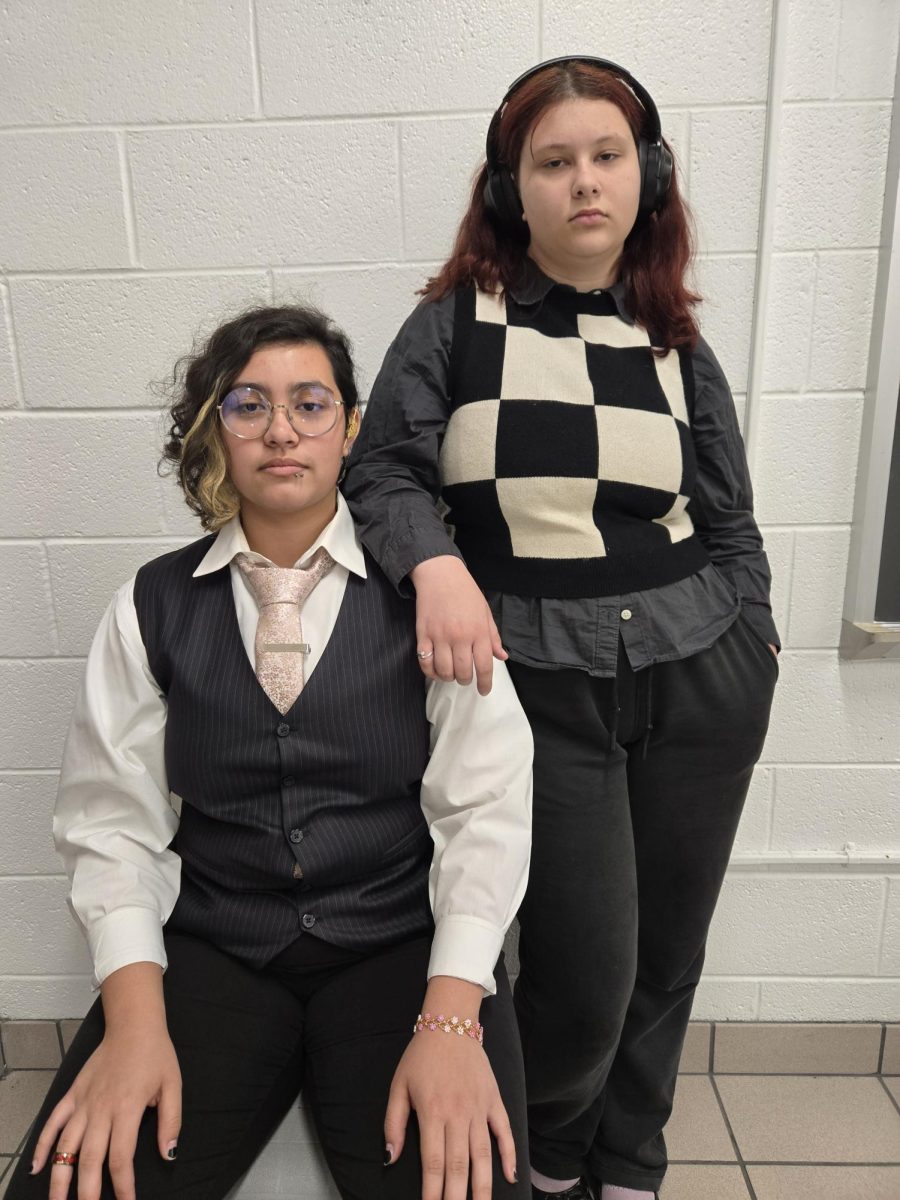
Think about a goth person. What do you imagine? Is it just someone dressed all in black, with lots of jewelry and accessories? Is it someone with bold makeup, high platformed heels, or unique hairstyles? Is it the most beautiful person you’ve ever seen? Is it someone who worships Satan or full of hatred for the world? Marcia Montenegro says goths “tend to be nonviolent people who are not involved in Satanism.” While many goths do prefer to wear dark colors, it is important to know that the origin of “goth” is crazy different from the cute goth girls on Insta. Did you even know that goths used to be a nomadic tribe??
Original Goths
To help you learn how modern goths came around, we must think of the Roman Empire when they were top dogs from around 300 A.D. The first “goths” were the Thervingi, a group of nomads (like the airbenders in Avatar) in Europe that split into the tribes of Visigoths and Ostrogoths. The Visigoths invaded and outmogged the Romans in what you might know as Turkey from 376 to 378. The Romans and Goths remained “frenemies” until the fall of the empire by King Alaric I in 410. This marked the beginning of the “Dark Ages,” when “goth” became known for devious things.
Goths and Religion
It might be crazy to think, but goth people don’t have just one religion. It’s rather a group of people with similar fashion sense and attitude. The original Goths were polytheistic Pagans, though. Paganism covers a wide variety of cultures such as Greek, Celtic, or Egyptian, but it generally follows the “occult” worshiping of the earth and nature. Big PSA for everyone reading this: pagans are NOT satanists!! Although the word “pagan” comes from the word “rustic” in Latin, it was used with “goth” by Christians like a slur for anything related to the goths (it’s not a slur though, you can still use this today). And fun fact, Pagans were actually converted by Christians in the late 300s.
Many goths today are still deeply rooted in these religions. They influence both the aesthetics and the idea of modern goths. They’ve adopted icons like the crucifix, ankh, and skulls, which reflect their hyperfixation on spooky stuff. Historic goths actually took inspiration from Christian symbols, such as the trinity and crucifix, when designing churches. This was supposed to highlight the divine sacrifice Jesus made in a grand display that some goths like to display in their complicated outfits. Modern goths also took inspo from other Pagan symbols, particularly Egyptian and Wiccan, with the ankh showing life. While goths usually follow different gods, they can form their own damn opinions.
Modern Goths
The popularity of goth culture reappeared in the late 1960s when Goth Rock took over London and eventually the US. Ever heard of it? Well, this was a significant cultural shift. But goth had always been “a reaction against convention” as seen by the big architecture and dark literature, to the gloomy music and black clothing. “It is the sense of disconnection from mainstream culture, and an embrace of what is considered taboo or rejected by society,” writes Montenegro. Mark Green’s blog on Pagan goth experience agrees with this, saying that people would rather avoid discussing death. Even beauty author Tish Weinstock recounts in her book how the goth community was her comfort space when she felt shunned.
We asked Tallwood student Eva Valdez, who enjoys listening to goth music, what the community meant to her. “I believe that it means unabashedly expressing individuality. I think that’s kind of the core of what being goth is and the ability to appreciate things that others might think of as creepy or gross… to appreciate the macabre,” she said. “I greatly dislike the modern commercialization of the goth identity as just a fashion style and aesthetic because it is a culture and so much more than that,” she emphasized.
At the end of the day, goth is about life and death. Light and dark. Yin and Yang. The Egyptians believed the most significant thing you could do in your life… was die. -Philomena Cunk. Goths from all over like to share in this experience and make their own cultures out of it. One example of this mixing is the creation of gothicumbia, a goth remix of Colombian music. Kind of niche right now, but who knows? Maybe it’ll become your new top songs on Spotify wrapped.
Conclusion
TLDR: the goth people you see walking around at school or in the wild are the love-children of historic religious persecution and years of culture build-up who choose to express themselves in bold ways. Sometimes it’s hard for non-goths to understand, but that’s okay. What is important is to remember that goths are people too. Don’t be afraid to walk up to your local Tallwood goth and talk to them. Compliment their outfit or makeup. Say they look cool or pretty. Maybe even ask them a question. Just maybe don’t be a creep about it and then we can all live happily ever after.