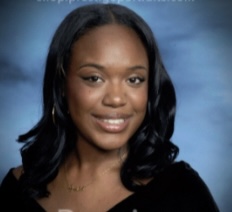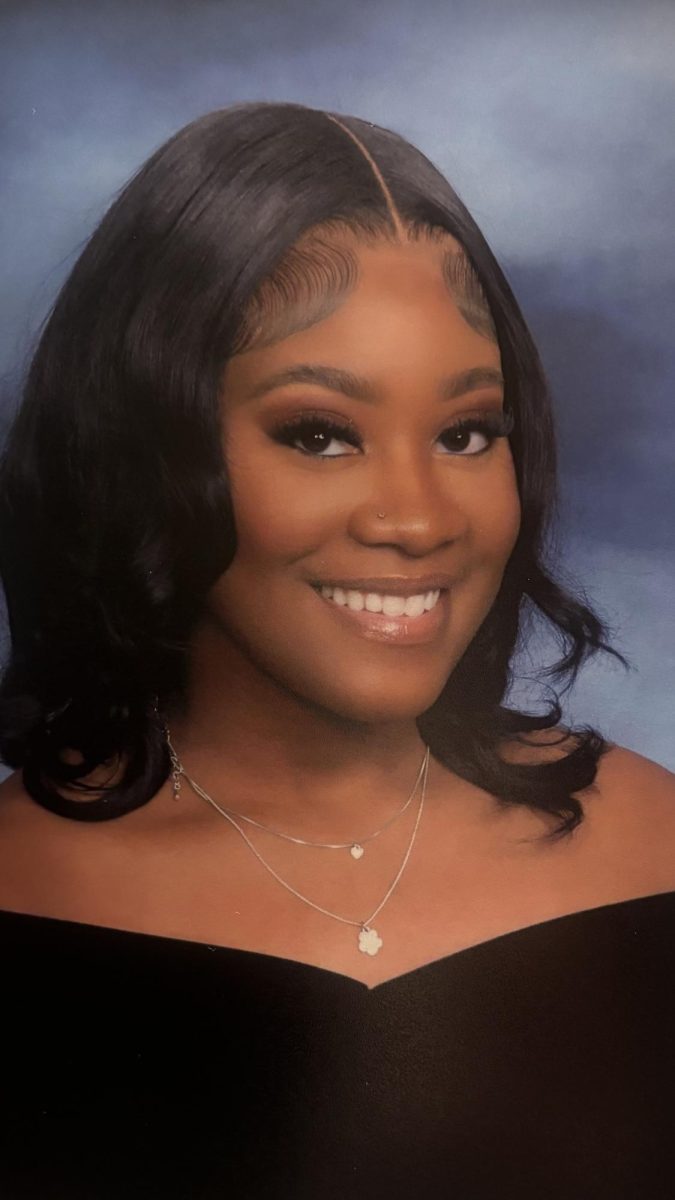
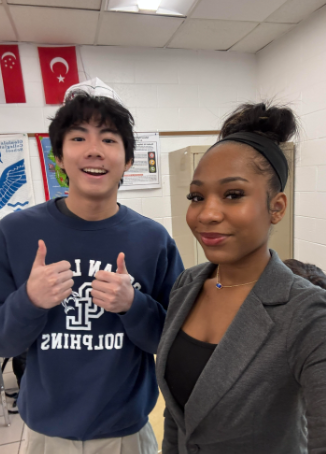
If you are a person of color, have you ever been in a Target or CVS scanning through the cosmetic aisle, when, in disappointment, you realize: “Wow, these products really weren’t made for me!” Everyone wants to feel seen, but the first time I stood in a drugstore holding four different foundation bottles, I thought to myself that the beauty industry was not built to see women like me (Iliana)—women with darker skin, women of color, women who have been historically marginalized by the beauty industry. For decades, women of color have been constantly struggling to be heard by major cosmetic companies, and have grown frustrated with attempting to find shade matches for their darker complexions. There is a huge lack of diversity within global brands, specifically in countries like South Korea and the United States. In response, influencers on social media and advertising campaigns to advocate for inclusivity and authenticity are gaining traction. Still, even though some brands have started to become more inclusive, this remains an ongoing issue as darker skin tones are often neglected in global beauty standards and by makeup brands.
Cleopatra WAS a BADDIE: Makeup Tradition within Ancient Civilizations
Have you ever thought to yourself: “Wow, Cleopatra’s makeup is so good! Yassified, even. She is GORGEOUS, I wonder where she got her makeup from?” Well, I, Anthony Chu, have. From the very beginning, makeup played a pivotal role in cultural rituals and aesthetic expression. For example, Ancient Egypt was one of the first societies to propagate the widespread use of makeup. (To clarify, Cleopatra is not exactly “Ancient Egypt,” Egyptian history is very long, thousands-of-years-long, we just used Cleopatra for dramatic appeal.) According to Annmarie Gianni’s article “Ancient Beauty Rituals: They Did It First,” Egyptians believed that makeup was a “divine appeal,” assuming it offered protection against evil spirits (maybe it does). It was also thought that the gods favored individuals who maintained a more dramatic appearance. Kohl, a black powder made from lead sulfide and soot, was the most popular makeup product used by the Egyptians and Mesopotamians. Kohl was also believed to have hygienic properties. Do you think Kohl also has the property to help me, Anthony Chu, find love? They used it as an eyeliner, and it was believed to be a healing mechanism to protect sensitive eyes from harsh, bright light—similar to sunglasses, or umbrellas, or tall people. However, the biggest component of their makeup routines was their white powders. These powders, made from white lead carbonate and chalk, lightened the skin and symbolized wealth and status.
Fair and Flawless: Colorism in South Korea’s Beauty Industry
Have you ever been watching K-Pop Demon Hunters or the latest music video of BLACKPINK and thought to yourself: “Wow, their skin is so fair and flawless, they look beautiful!” Well, I, Anthony Chu, have—and, if you have thought this, you would fall in line with current cultural trends regarding beauty standards within the 21st century. In South Korea, these cultural normalities and traditions have been passed down throughout generations and continue to influence modern-day representation of skin tones in global beauty marketing. Here, the preference for lighter skin is evident through the widespread use of whitening products and fair-skinned models throughout their advertisements. As major Korean makeup brands like K-beauty gain global recognition, their standards of Eurocentric beauty are being diffused around the world. Rosa Jisoo Pyo, a writer for Teen Vogue, states, “K-beauty often upholds unrealistic and oppressive ideals such as flawless, milky-white skin and double eyelids, which have deep historical roots, including influences from western colonization.” Unfortunately, this highlights how South Korean beauty standards are not just cultural ideals—they are a form of societal pressure that emphasizes the desire for light skin. Similarly, Gi-Wook Shin, an author from Stanford University’s Freeman Spogli Institute for International Studies, indicated, “Enhancing diversity can simulate innovation and change in Korean society,” suggesting that a more inclusive group could lead to greater progress and development.
#Makeupforeveryone: Social Media and the Push for Inclusivity
Have you ever been scrolling on Instagram Reels and saw someone advocating for inclusivity within the beauty space? Well I, Anthony Chu, have not! That is because this is a relatively new and more niche movement. In recent years, social media has played a major role in changing how people view beauty; platforms like Instagram and TikTok have given a voice to creators to speak up about any issues concerning inclusivity. Many influencers like Golloria Goerge have devoted their careers to holding these companies accountable and reshaping the world’s views on beauty. She is a well respected influencer mostly commonly known for her “Darkest Shade” series. In this series, she brought attention to Youthforia, a California-based makeup brand founded by Fiona Co Chan, and its Date Night Skin Tint foundation. This shade was the brand’s darkest shade, she pointed out how the foundation was an unrealistic color and compared it to “black face paint.” The reason why the company got so much backlash was because cosmetic chemist Javon Ford pointed out that while the lighter shades in the makeup line contained a blend of pigments, shade 600 had only one, which made it look grey and muddy when applied to the skin (yikes). In the article “No One Is Impressed By Youthforia’s Apology,” author Alexandra Pauly wrote, “The brand used only black iron oxide for the pigment,” showing that it could not match natural undertones and instead appeared ashy gray. This widespread controversy eventually led Youthforia to shut down their company in August of 2025, proving the point that social media creators can spark change in the beauty industry. Influencers and makeup artists of color continue to use their platforms to demand change in big cosmetic companies, increasingly pushing global brands to expand shade ranges and feature more diverse models.
The beauty industry has made some progress, but there is still work to be done regarding representation of all skin tones. From ancient beauty rituals to modern K-beauty standards, the preference for lighter skin tones has influenced perceptions of beauty for centuries. However, the rise of social media and efforts of influencers advocating for inclusivity are changing these standards. As more brands respond to these demands, the industry is slowly moving toward perfect representation of all skin tones.