
Somewhere between a “Get Ready With Me” and a celebrity notes app apology, the line between fan and friend has ultimately disintegrated. It’s now common for those online to cry over a celebrity break up, viciously defend their favorite artists as if they are lifelong best friends, and know their go-to coffee order and daily routines.
Honestly, I’d be lying if I said I haven’t texted my friends in all caps about a celebrity breakup or celebrated their achievements like they were my own. Fame used to feel distant, but now it feels personal. Social media has created a new kind of fandom where we feel entitled to every detail of a stranger’s life.
While being a fan isn’t new, TikTok and Instagram have changed the game. They’ve amplified our emotional investment and created an “illusion of intimacy.” We saw this hit a breaking point recently with Chappell Roan. When she posted those TikToks demanding fans respect her boundaries and stop confusing her “persona” with her actual self, it sparked a huge debate. Her situation is the perfect example of a parasocial relationship: a one-sided emotional bond where the fan is deeply invested, but the celebrity has no idea the fan even exists.
A parasocial relationship is basically a one-sided emotional bond. A fan feels deeply connected to a celebrity, but the celebrity has no idea who they are. These relationships don’t just exist with celebrities either, they can form with fictional characters or even influencers who feel “normal” and relatable. The idea isn’t new; psychologists were already studying parasocial relationships back in the 1950s when television hosts started talking directly to audiences through a screen.
But today, social media has taken this concept to another level. With constant access to celebrities’ lives, fans can watch stories, comment on posts, and even DM public figures, which makes it feel like a two-way interaction, even when it’s not. When someone talks straight into the camera, it feels like they’re talking to you. This illusion can be comforting, especially in a time when loneliness is more common than people want to admit. However, replacing real connection with one-sided relationships can become unhealthy, especially when fans start depending emotionally on people they don’t actually know.
When parasocial relationships and social media intersect, they make quite the marketing team for celebrities. Brands know that if we feel close to a celebrity, even if it’s totally one-sided, we’re way more likely to listen to what they say and buy what they’re selling. That “fake friendship” impression makes us trust their recommendations, even if we know deep down it’s just marketing. The rise of parasocial marketing has commercialized the idea of being authentic.
Even celebrity interviews aren’t what they used to be. Instead of stiff Q&As, it’s like we’re eavesdropping on friends gossiping over lunch. This chill, behind-the-scenes energy makes us feel like we’re part of the inner circle, catching all the inside jokes and secrets. Mina Le breaks this down in her video essay “The Death of the Celebrity Interview,”—she points out that interviews now seem more real and casual, but that can make it even harder for celebs to draw the line between what’s public and what’s private.
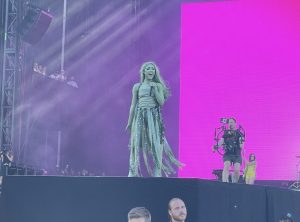
The ultimate failure of the parasocial relationship is fan entitlement. Chappell Roan’s experience demonstrates how parasocial relationships can quickly degrade into aggressive boundary violations, doxxing, harassment, and intense emotional backlash when the celebrity fails to meet the fan’s manufactured expectations. In this dynamic, the fan’s grief or anger over a celebrity’s misstep is often disproportionate because it feels like a personal betrayal by a close confidant, not just a disappointment from a distant public figure.
Parasocial relationships have completely flipped celebrity culture on its head. Now, it’s almost impossible to tell the difference between being a regular fan and actually feeling like you know a celebrity personally. The more invested we get, the messier it becomes. Social media and celebrities aren’t slowing down either, they’re making bank off these one-sided connections. It is crucial for both fans and celebrities to recognize the potential risks, ranging from emotional distress to privacy violations. But at the end of the day, it’s on us to recognize the risks, like getting too obsessed or crossing personal boundaries. If we want fandoms to stay fun and positive, we’ve got to remember that celebrities are real people too and respect their space online.