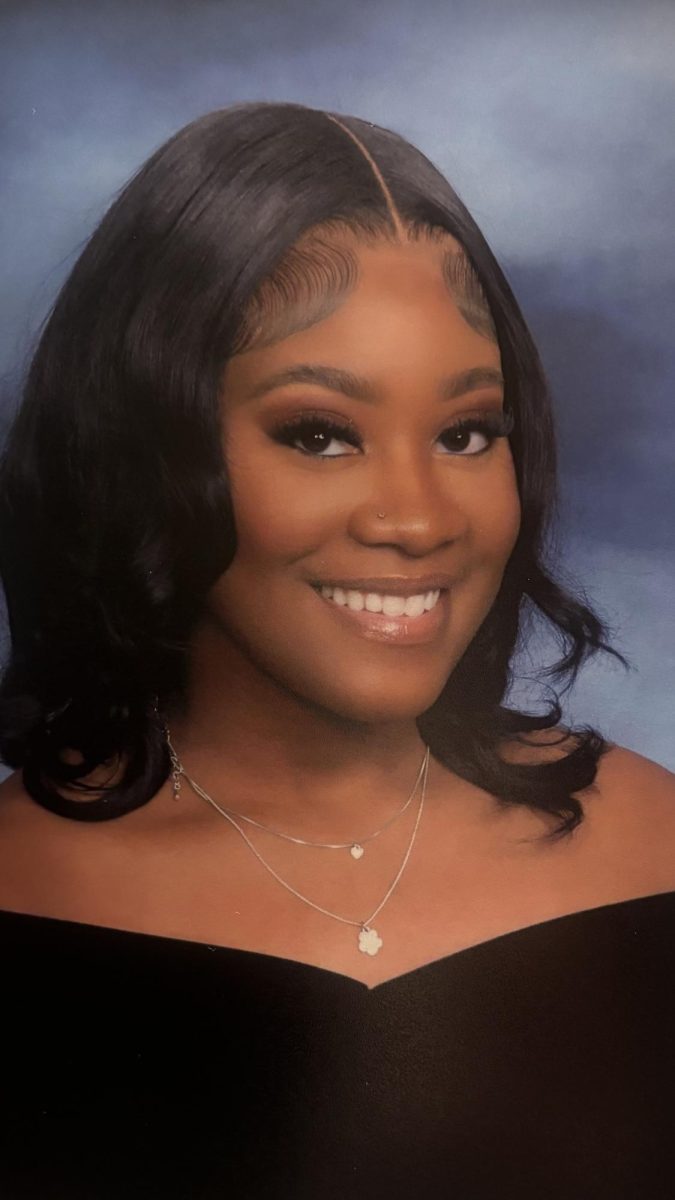
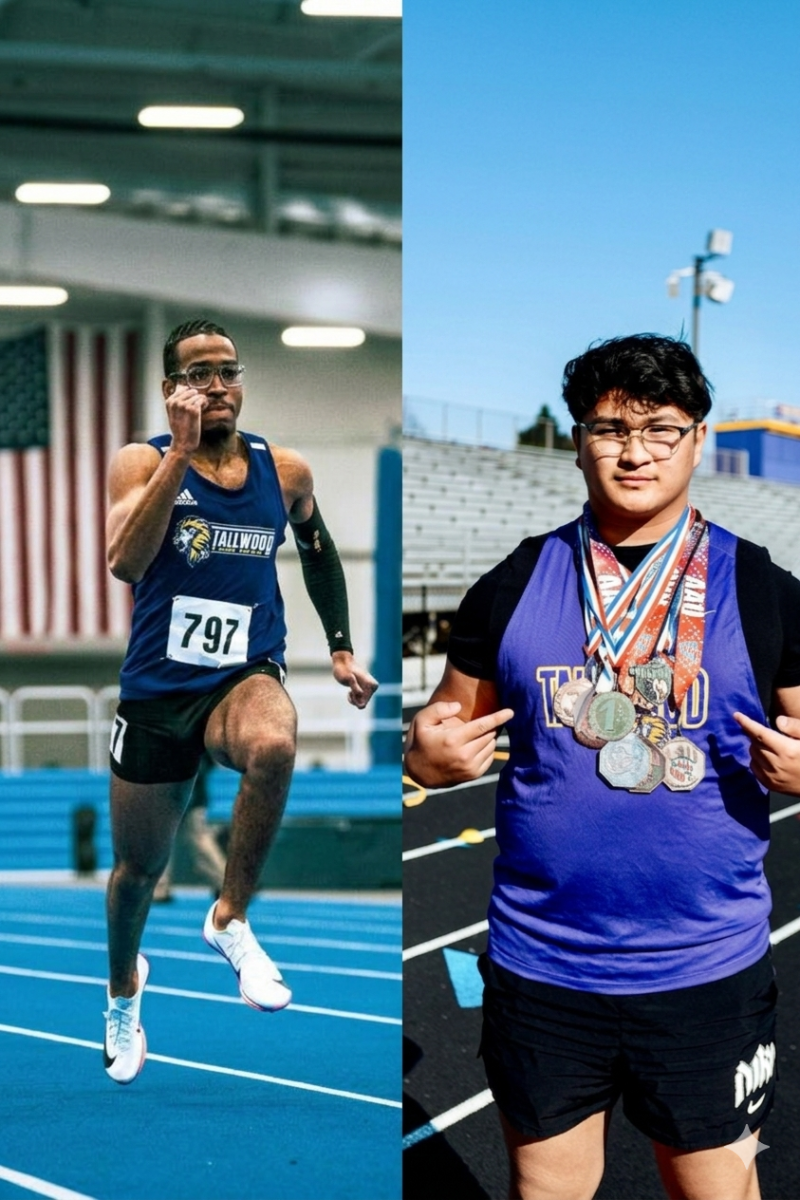
For Jalen (a sprinter) and Alex (a thrower), a typical track and field meet looks completely different. As a sprinter, Jalen’s day-to-day is defined by pure adrenaline, exploding out of the blocks, a fast-paced race for the most part, and a race that is over in less than a minute. Meanwhile, as a thrower, Alex’s day is very technical, with a multi-hour mental battle of learning technique, patience, and explosive power in the ring. Despite these differences, we wear the same jersey and work toward the same team.
Yet, when we watch the Olympics on TV, it feels like only one of our worlds exists. The broadcast treats sprinting like a prime-time drama while pushing throwing events into the background as a forgettable fill-in. To build a better viewing experience for the upcoming 2028 Los Angeles Games, broadcasters need to bridge this gap, finding a way to celebrate the fast-paced hype of the track without ignoring the high-stakes tension of the field.
The Track Perspective: Keeping the Casual Fan Hyped
If you ask the broadcast directors, they’ll tell you they have to prioritize sprints to keep a massive, casual audience watching. Sports media expert Andrew Billings notes that networks cater to families who care more about storylines and national entertainment than technical perfection.
To keep 1.5 billion viewers watching, TV schedules lean hard into the 100m, 200m, and 400m. Data shows that 70% of the Audience wants high-intense action that keeps them on the edge of their seats.
As a sprinter, the production does a good job with broadcasting using:
- Hype Videos: Behind-the-scenes features show a sprinter’s grit and journey before they even step foot on the track
- Intros: Special athlete entrances get the crowd loud and give home viewers someone to root for instantly
The Field Perspective: Don’t Treat Throws Like Background Events
Field events have insane psychological tension, but the broadcast just ignores it for the most part. According to Sports Innovation, Research, and Development, field events lack good storytelling. If TV treated the Shot Put or Discuss competition like a head-to-head battle between top rivals, the suspense would keep everyone hooked.
Networks don’t need to show every single attempt. Instead, they need to cut to field events live during high-pressure moments like a world record attempt or a chance to score points for their respective country.
Field events are unpredictable. But when you only see a 10-second clip of a throw after it already happened, all the real-time excitement is gone, and the current presentation of it looks boring and unappealing.
Climax Protocol: Give What The People Deserve
In order to honor all track and field events we researched a solution that can help pace overall with the track and field in the Olympics. We came up with the climax protocol. According to Dave Gordon, BBC Athletics, this means the broadcast can maintain the speed of the meet while ensuring field athletes receive high- definition, prime-time focus during their critical moments. Plus, they don’t even have to focus so much on the field event transition, which can bore the average fan sitting at home.
- For Sprinters: This enhances the high intensity of the running events, but that’s not the sole focus of this protocol.
- For Field Fans: Andrew Billings suggests implementing live cuts with the climax protocol so everyone can feel the intensity without slowing down the meet because of what takes place after the throw is attempted.
Dave Gordon argues that this concept must aggressively modernize its broadcast style and event formats to survive the competitive media landscape. If this is poorly implemented, there will be a disconnect between fans who want constant action and casual viewers who want storytelling. Finally, broadcasters have to bridge the gap by using surface-level graphics for measuring and camera angles.
Looking Ahead Towards the Future
At the end of the day, a climax protocol is win-win for everyone in the track community:
- Casual Fans: Get a smooth, high-intense viewing experience packed with nonstop action.
- Field Fans and Athletes: Get a more in-depth platform where throwing is showcased at their absolute peak, and not be in the background.
- Broadcasters: Bring in more ratings, and everyone wants that because it brings in money, which means cleaner budgets for future meets.
As we look towards the 2028 Olympics in Los Angeles, meeting in the middle is the best way to grow the sport’s of track and field’s fanbase while keeping its consistency alive. It’s time for broadcasters and producers to implement these protocols and give the whole games the spotlight it deserves.