
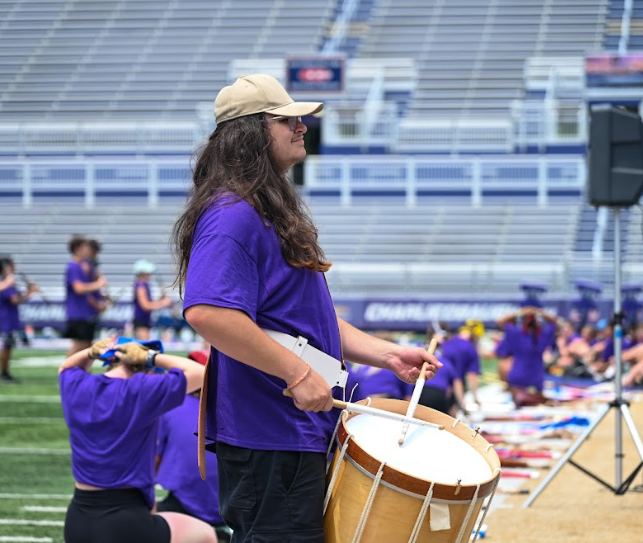
If you’ve ever picked up drumsticks (or watched someone else do it) you’ve probably noticed that not everyone holds them the same way. That’s because drummers are divided between two main grips: matched and traditional. And yes, people argue about it A LOT.
So which one is better? The short answer is: neither. The real answer lies within the preference of the drummer
Matched Grip: The Go-To for Most Drummers
Matched grip is usually the first grip students learn, and for good reason. Both hands hold the sticks the same way, which just feels natural. If you’ve ever played drumset, in a concert band, or even mallet instruments like xylophone and marimba, you’ve already used matched grip.
This grip is great for louder playing and bigger, more powerful strokes. Personally, this is my favorite grip. It feels the most comfortable for me, especially for rudimental, and concert drumming. It’s also easier on your wrists and helps you stay relaxed, especially during long rehearsals. There are even different styles of matched grip, like American where the plans face mostly down, French where the palms face each other, This grip can be used for timpani, or tenor drums, making it easy for stick crossovers, or ease of playing. Overall, matched grip is super beginner friendly and works in tons of musical settings.
Traditional Grip: Old but Still Relevant
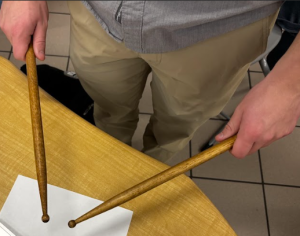
Traditional grip actually comes from back-in-the-day military drumming. Back then, snare drums were worn at a very aggressive angle, so holding both sticks the same way didn’t work. Drummers had adapted a new technique, where the left hand was holding the stick underhand, and the traditional grip was born.
Today, this grip is most common in jazz and marching ensembles. It’s known for finesse, softer dynamics, and clean articulation. Ghost notes and subtle rhythms feel easier with traditional grip once you’ve mastered it. Plus lets be honest; it looks really clean, which is one reason drum corps still love it.
That said, traditional grip takes more time to learn and doesn’t feel natural right away for most people. But on the other hand it looks SUPER cool, and every DCI fanboy drools when they see a drummer playing traditional.
Middle Ground (AKA the Real Answer)
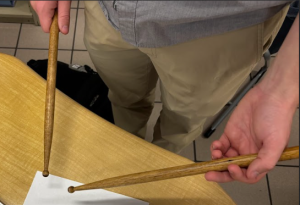
Here’s the thing: one grip isn’t better than the other. They’re just tools. Matched grip shines when you need power and comfort. Traditional grip works best when style, finesse, and softer dynamics matter more.
Great drummers don’t argue about grips, they learn both. Being flexible lets you adapt to different music, ensembles, and performance situations. The grip doesn’t make you a good drummer. How you use it does.
Conclusion
At the end of the day, the “right” grip is the one that fits the music and feels best for you. Matched grip is comfortable and versatile, while traditional grip offers control and style. Instead of choosing sides, aim to understand both. That’s how you become a well-rounded percussionist, and honestly, a better musician overall.