
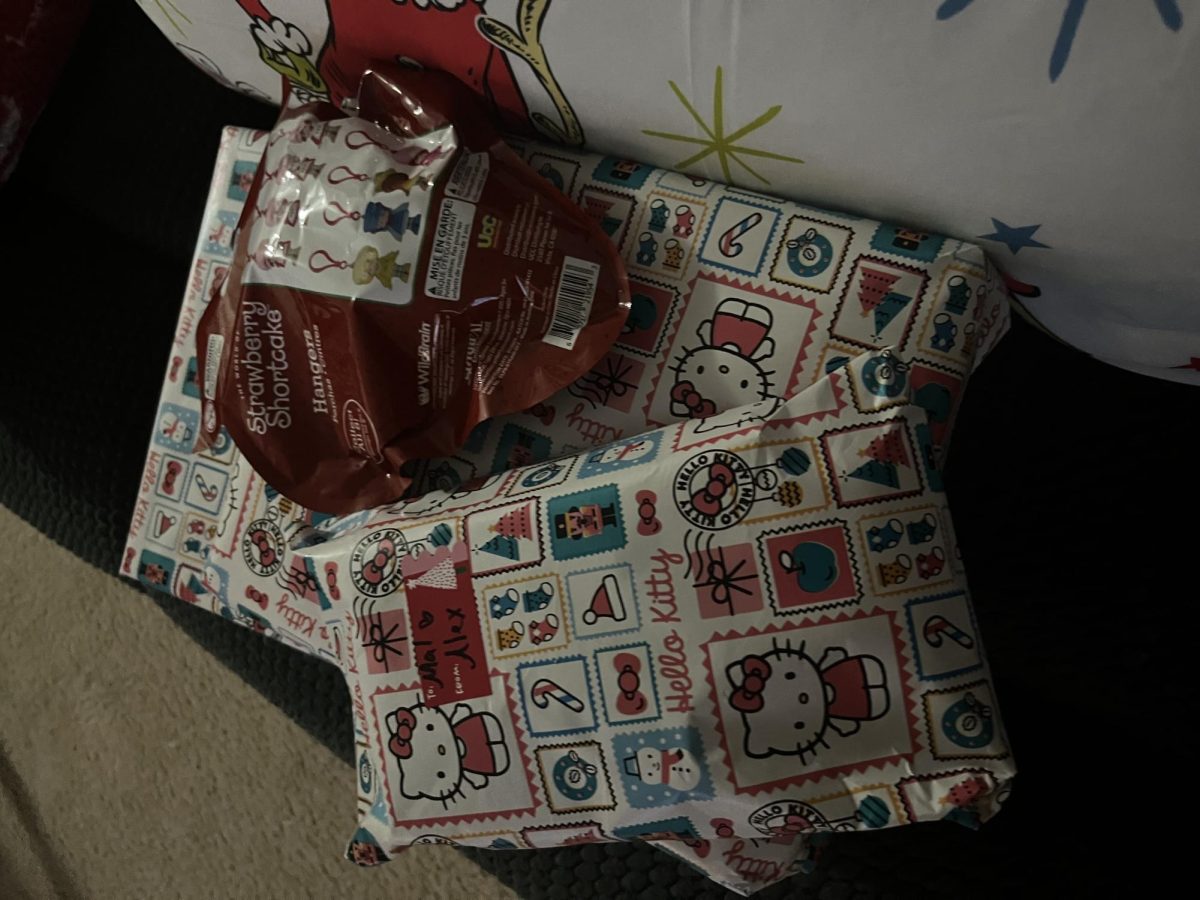
Christmas used to be my favorite holiday. For a long time, it felt warm and exciting, like proof that I mattered. I remember waking up early, heart racing, running straight to my grandma’s Christmas tree to see what was waiting for me. The gifts were exciting, of course, but what stayed with me more was what they symbolized- love, attention, and being celebrated. I know a lot of us grow up associating holidays with that same sense of belonging. But as I got older, those traditions slowly disappeared. The gifts stopped coming. The celebrations grew quieter and eventually felt like they were only meant for my younger brother. Over time, Christmas stopped feeling special altogether. That change didn’t just affect how I felt about the holiday; it shifted how I saw my family and, at times, how I saw myself.
Gift-giving matters more than people like to admit, especially when you’re a kid. It’s not about the price of the object itself, but what it represents. Research from KidsHealth explains that children often connect gifts to feeling loved, noticed, and supported, particularly during holidays built around togetherness. When those gifts stop appearing, while siblings or classmates continue to receive them, it’s easy to start questioning what that absence means. Many kids don’t see it as “just stuff”; they see it as a message. Gifts become symbols of care and attention, and when they’re missing, the emotional impact can feel personal. That feeling isn’t materialistic. It’s human.
When I was younger, I couldn’t explain why Christmas made me so happy, I just knew it did. It made me feel important, included, and like I belonged. When that feeling started to fade, I didn’t recognize it right away. I continuously told myself it didn’t matter, that I was older and presents weren’t a big deal anymore. But each year, the absence feels heavier. Watching Christmas pass without any acknowledgment slowly made me feel invisibly, however I eventually stopped expecting anything at all. Not just gifts but any recognition at all. This hasn’t stayed limited to holidays for me; it has also followed in the way I interact with my family members. I am often more guarded and quieter especially when Christmas comes around.
Holidays also teach us how to read emotions. Things like traditions, routines, and even small rituals show kids what connection is supposed to feel like. The American Academy of Pediatrics points out that holiday traditions help children understand generosity, appreciation, and emotional closeness. When those traditions are steady, they create a sense of safety. But when they quietly disappear, without explanation or replacement, it can leave a different kind of impact. Confusion sets in. Distance grows. That’s something I didn’t have the word for at the time, but I felt it. Christmas didn’t lose its meaning because I outgrew it. It lost its meaning because it stopped making me feel secure, seen, and emotionally held.
Psychology backs up something many of us already feel but don’t always know how to explain. Studies in child development suggest that kids often read the presence or absence of gifts as signals of belonging and emotional availability. I didn’t consciously think my family stopped loving me when gifts stopped. But subconsciously, I felt less celebrated. That feeling settled in quietly and stayed. Over time, it shaped how I measured my place within my own family— how visible I felt and how much space I believe I am allowed to take.
As I’ve grown older, Christmas has become a reminder of what feels missing rather than something to look forward to. While other people talk about joy and tradition, I often feel detached, like I’m watching from the outside. The holiday no longer symbolizes love for me, but instead it highlights emotional gaps I’ve learned to notice everywhere. I see it when effort fades, when moments pass without acknowledgment. Because I’ve lived that sense quietly, I’m more sensitive to it now. But It’s also changed how I love others. I go out of my way to celebrate people by remembering details, showing up, and making sure no one feels forgotten because I know how deeply being overlooked can hurt.
In the end, the impact of receiving or not receiving Christmas presents has never been about the gifts. It’s about what they communicated. Kids need consistent signs that they matter, and when those signs disappear without reassurance, the absence can linger far longer than the holiday itself. Christmas didn’t stop being my favorite holiday because I grew out of it; it stopped being my favorite because I grew out of the version of myself who once felt seen during it. Naming that now helps me understand that my feelings were never dramatic or ungrateful, they were human. Emotional presence, effort, and acknowledgment matter just a much as anything wrapped under a tree, and sometimes, they’re the only gifts that truly last.