Taylor Swift is the number one artist in the world as of January 2026, and she has been gaining her popularity since her famous song, ¨Bad Blood.¨ She, and artists alike, create harmonies and rhythms which give life to the word music. In return, music gives some people back their own lives in the form of medicine and health.
People often realize how music affects their moods and feelings. This can be seen in the average anxious high school teen that seeks Mac Demarco to wind down after a stressful day, or a gym rat who pumps themselves up to the fast-paced beat of most Megadeth songs. Music definitely has a connection to the brain of most humans; however, the reason as to why and how powerful this connection can be isn’t so obvious.
According to Megan Hoffner, music “positively affects neurotransmitters, such as dopamine and serotonin, that influence mood.” In other words, music messes with your emotions. This is why certain specific songs or genres can impact individual people in different ways. One person may listen to James Supercave’s “Poor George” and become sad from the lyrics. Another may listen and be in love with the vocal effects.
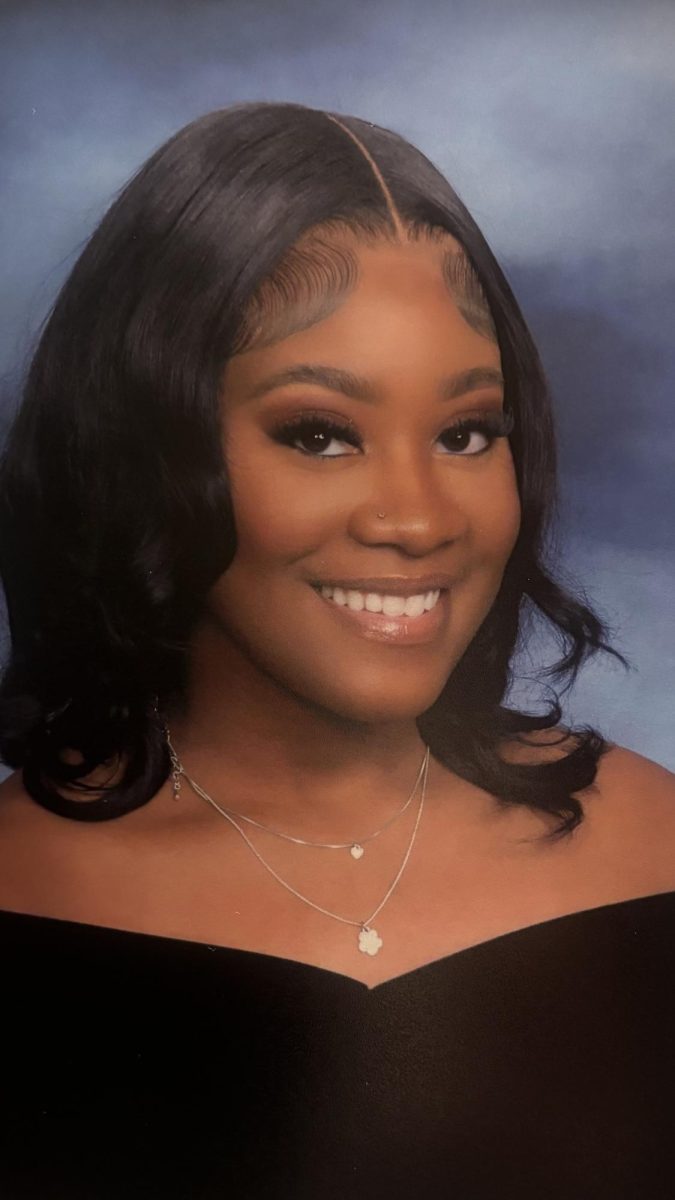
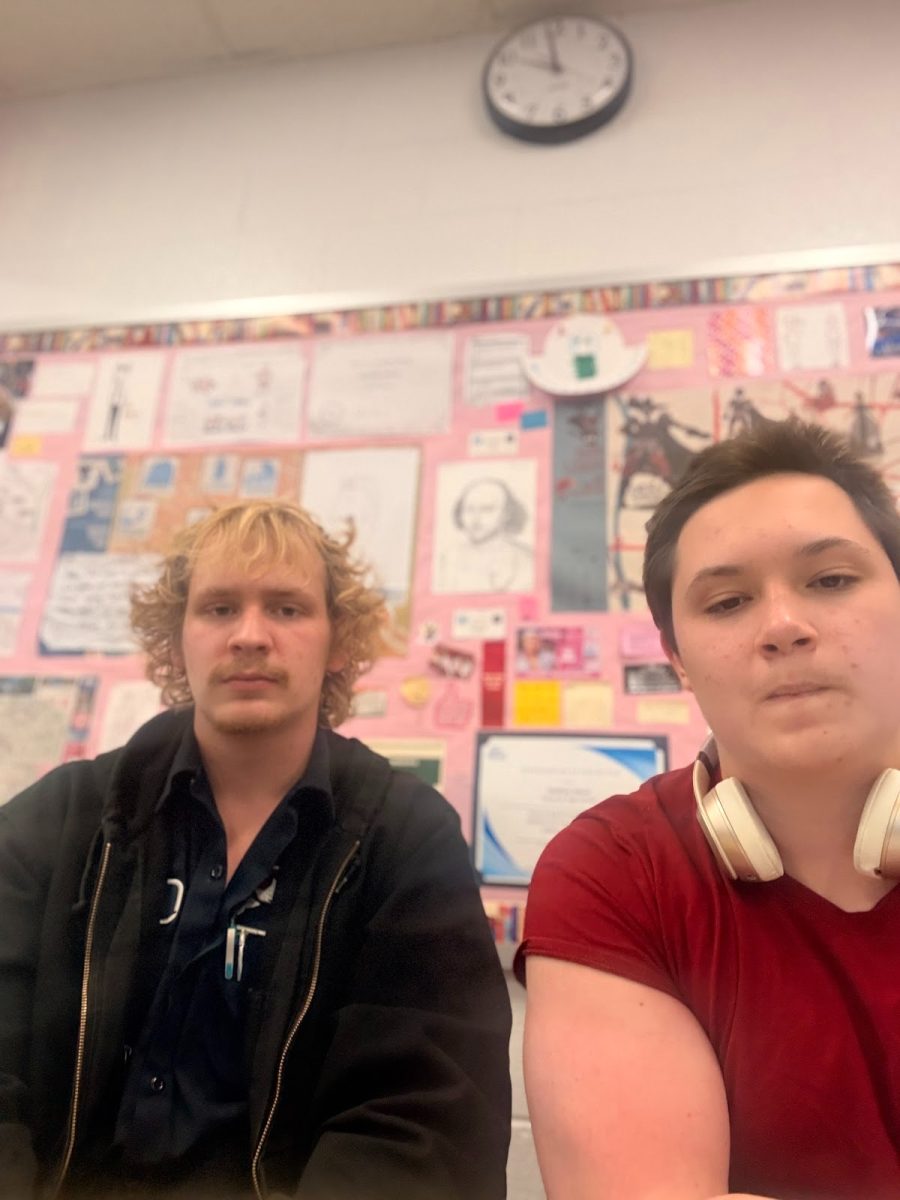
My partner and I have interviewed two of our classmates. The first one, Haley Marx, stated that music “helps with her loneliness and ability to relate.” She also believes music is a “great mode of expression” as well. The second interviewee, Harrison Perkins, feels very similar. He says, “music helps him to study, keep calm. and express himself.” A statement about his relationship with art in general shows its beauty in not having a “right or wrong” and being “interpretive.” This goes to show that music is very related as something loved between most.
This type of information has led multiple researchers and scientists to explore the other benefits of music. One of the main ideas that these scientists continue to explore is mental health. In Edward Podolsky’s “Music and Mental Health,” he quotes a scientist by the name of Emmett Dent. Dent’s studies reported, “Music is responsible for cures among the insane and improvements of patients seemingly in hopeless condition that are little short of marvelous.” This gives evidence that music is not only a mood booster, but a main contributor to mental health.
Another support to this information is Sydney D. Mitchell’s, “Music and Psychological Medicine.” Here, he and Zanker test the effects of live music on the mentally disordered and record their results. In the article Mitchell states, “One patient said ‘Although it was solemn and sad, it was so helpful because it was so balanced.’” Live music being used in a mental hospital has brought positive results to the medical value of music, slightly improving a patient’s craziness.
Another value of music and its ability to give mental health is its use against the unfortunate Alzheimer’s disease and dementia. Simon Stone in his interview stated that Alex Ferguson had “seen the benefit music can have for those – including his brother Martin – dealing with the syndrome, which leads to memory loss and can also affect the way people speak, think, feel, and behave.” In the interview, Ferguson describes how music has been a key part of his entire life; meanwhile, it has become important in his brother’s fight against dementia and shows that the therapy is making an improvement.
An even better example of this invisible aid is Ronald Devere’s, “Music and Dementia: An Overview.” One of the sections states, “It can improve mood, behavior, and in some cases cognitive function, which can persist hours and days after the music stops.” Another states, “Listening to familiar music can elicit pleasurable responses such as smiling or moving/dancing even when communication is lost.” These both show how different types of music have proven effective for patients with this disease.
Although the sounds that humans love and adore so much do not bring direct physical aid, like H.G. Sear said in his article, “Music and Medicine,” “The effect is primarily psychological.” This alone, however, is what gives music such an important role to the human race. Whether it’s an emotional mediator or a temporary cure for patients with a mental disorder, it has been used for centuries. Music is shown to be a very beneficial form of treatment for most anything to do with the brain and will continue to be so throughout time. It may even one day find its use in the world of medicine.