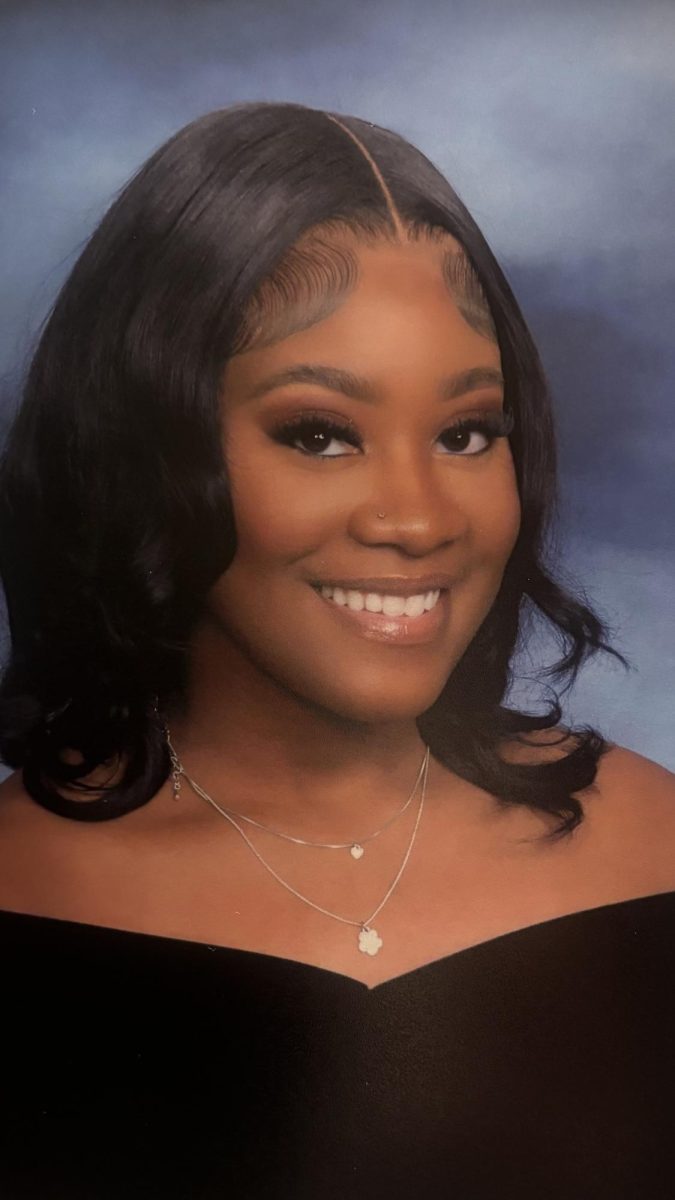
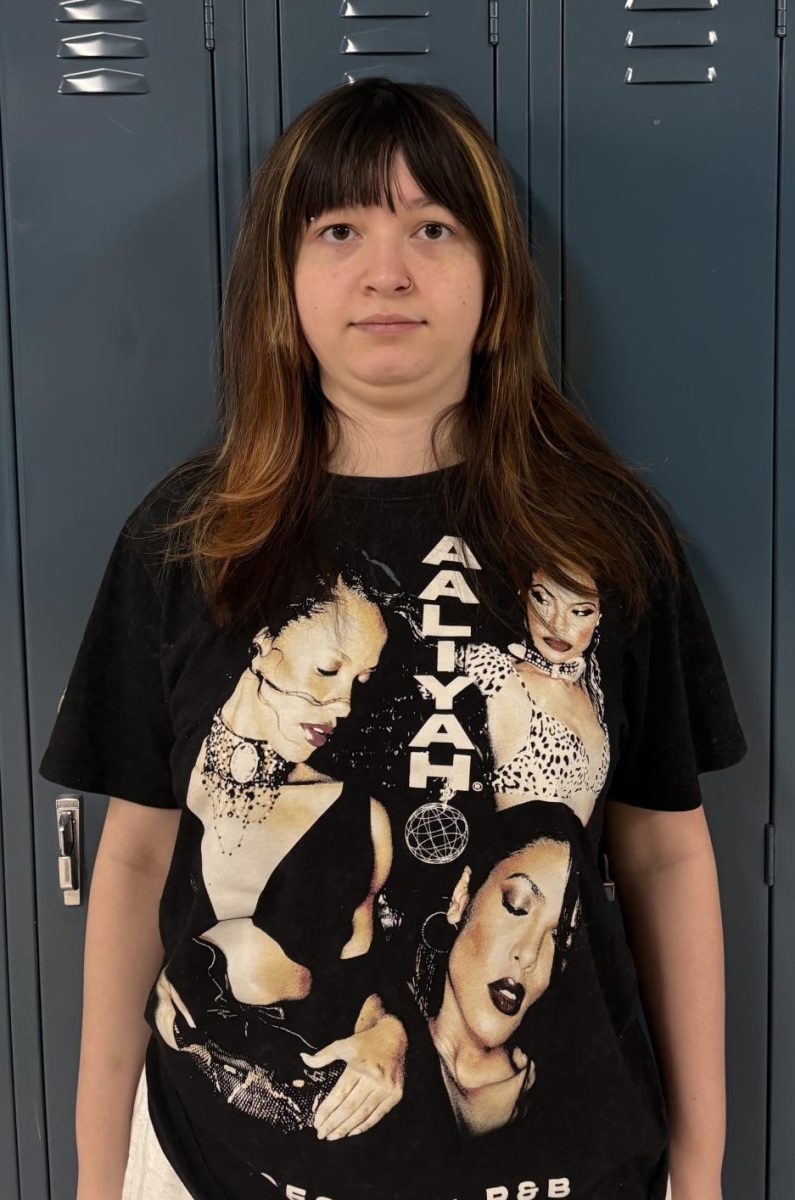
The first time I noticed him, it was in the hallway outside my biology class. I didn’t think much of it at first. He was just standing there awkwardly, pretending to be on his phone as he leaned on the lockers. He would constantly look back up at me, and it made my skin crawl. Like his eyes were trying to grab onto me even when I walked past without looking back. By the third day of seeing him in the same spots– outside my classes, near the cafeteria line, beside the stairwell– I felt something shift inside me. It wasn’t paranoia. It was actually happening. I could tell the difference because every time I spotted him, his body froze a little, like he was waiting for me to notice him.
A lot of us ignore things like this. We tell ourselves someone is just awkward or shy. In high school, we’re basically trained to ignore discomfort so we don’t “cause drama.” But what I was experiencing had a name. According to the DC Victim Hotline, stalking is when someone repeatedly follows, contacts, or watches another person without their permission, causing fear or stress. It’s not a one-time thing either. It’s something that happens over and over and slowly messes with your sense of safety.
For me, it didn’t stop at school. He found me online. Instagram. Snapchat. TikTok. When I blocked him, he made new accounts. Then more. It felt like being swarmed. No matter how many times I tried to shut it down, he found another way in. My EX friends, now opps, told me I was overthinking it. “It’s not like he’s following you home,” they said. But that didn’t stop my heart from dropping to my butt every time a notification popped up from an account I didn’t recognize.
Cyberstalking is especially common for people our age. The eSafety Commissioner explains that cyberstalking happens when someone uses technology to keep monitoring or contacting someone who doesn’t want it. People aged 16–24 are more likely to experience cyberstalking than older adults. That means this isn’t rare. It’s happening to students sitting in the same classrooms and hallways as us.
The worst part came when he started telling people we were dating. At first, I laughed because it sounded absolutely ridiculous. But then people actually started asking me about it. My now ex boyfriend even questioned me. That’s when it stopped being awkward and started feeling violating. He took control of a story that wasn’t his to tell and twisted how people saw me. According to the Prosecuting Attorney’s Office in Canyon County, stalkers often lie about relationships as a way to feel connected and in control, even when the victim wants nothing to do with them.
One day, while I was walking to class holding my boyfriend’s hand, my stalker ran up, shoved a letter into my hands, and ran away. My heart dropped. The letter was messy and angry. He wrote that he could “treat me better” and that he hated seeing me with my boyfriend. As if what I do with MY life was his to decide too. Experts like Aaron Barber say unwanted letters or gifts are common stalking behaviors. They aren’t romantic. They’re a way of forcing attention and control.
Looking back, the worst part wasn’t just the messages or the rumors. It was how small I felt. I changed my routines. I avoided certain hallways. I walked faster. Even now, when someone walks too close behind me, my chest tightens and my breathing gets shaky. Research by Didde Hauch shows that many stalking victims experience anxiety, depression, or PTSD. That explains why it doesn’t just “go away” once the stalking stops.
I’m sharing this because high school students and students in general need to know this stuff matters. If someone is making you uncomfortable, following you, messaging you nonstop, or spreading lies about you, that’s not a compliment. It’s not romantic. And you’re not dramatic for being scared. Stalking can happen here, in our school, in our hallways, on our phones. And the first step to stopping it is recognizing it for what it really is.